Intro
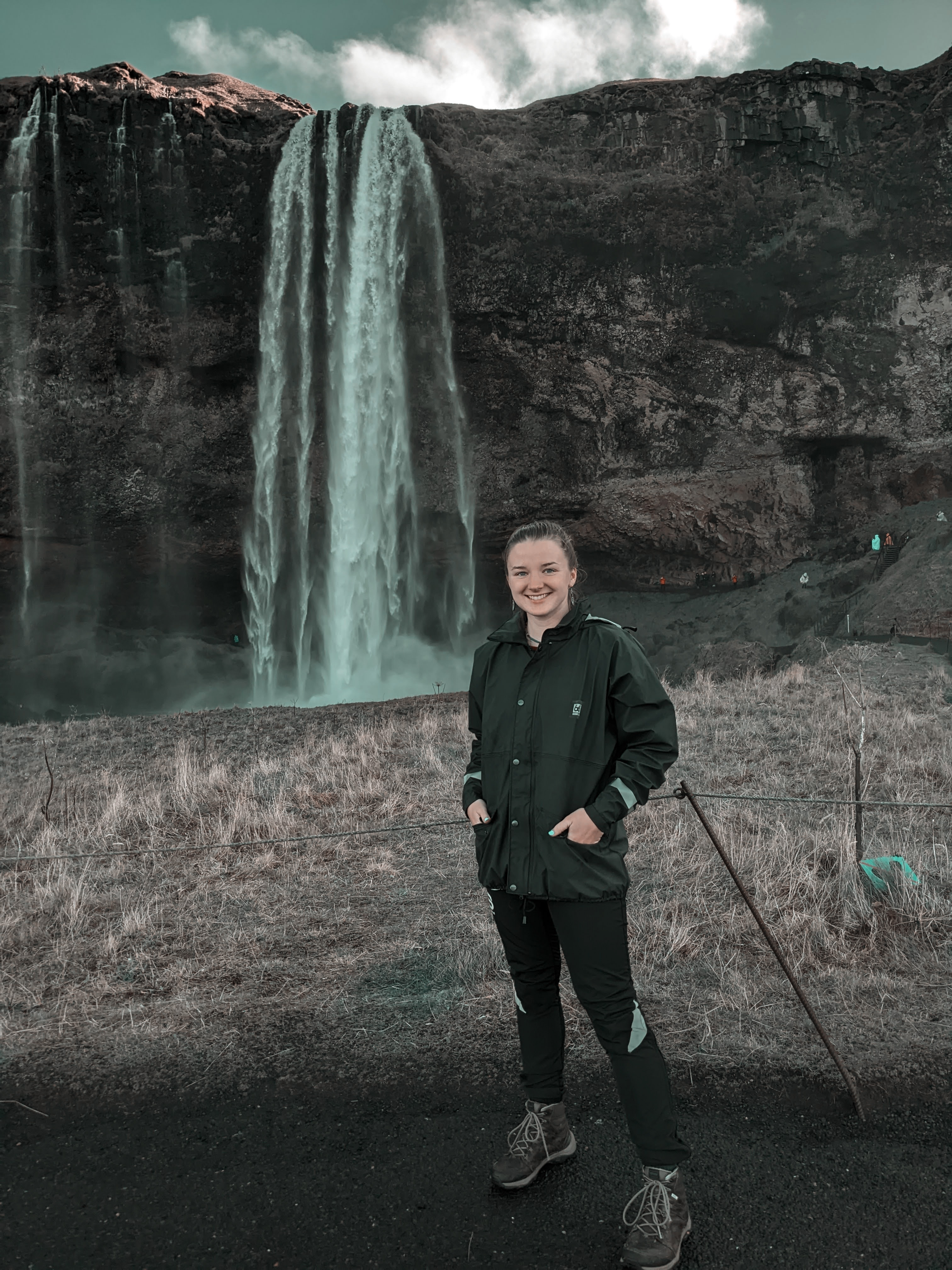
I grew up in the Northwoods of Wisconsin which influenced my career path from an early age. Following my mom around to her WI DNR field events and conferences, I gleaned bits and pieces of what it is like to work in the natural resources field. In my Junior year of high school, I attended Conserve School on scholarship. It was a unique opportunity in the form of a semester-long environmental focused preparatory school that provided a twist on a standard high school curriculum. Instead of basic history, we delved into the history of wilderness exploration. Instead of PE, we learned outdoor skills like maple syruping and rock climbing. We also took an AP Environmental Science course that gave us a bit of a head start before going into college. The culmination of the semester-long experience was a backpacking trip at the Pictured Rocks National Lakeshore. Passing through Marquette on the way to our drop off point and recalling the Northern Michigan University representative’s praise for the school, I knew at that point I wanted to go there.
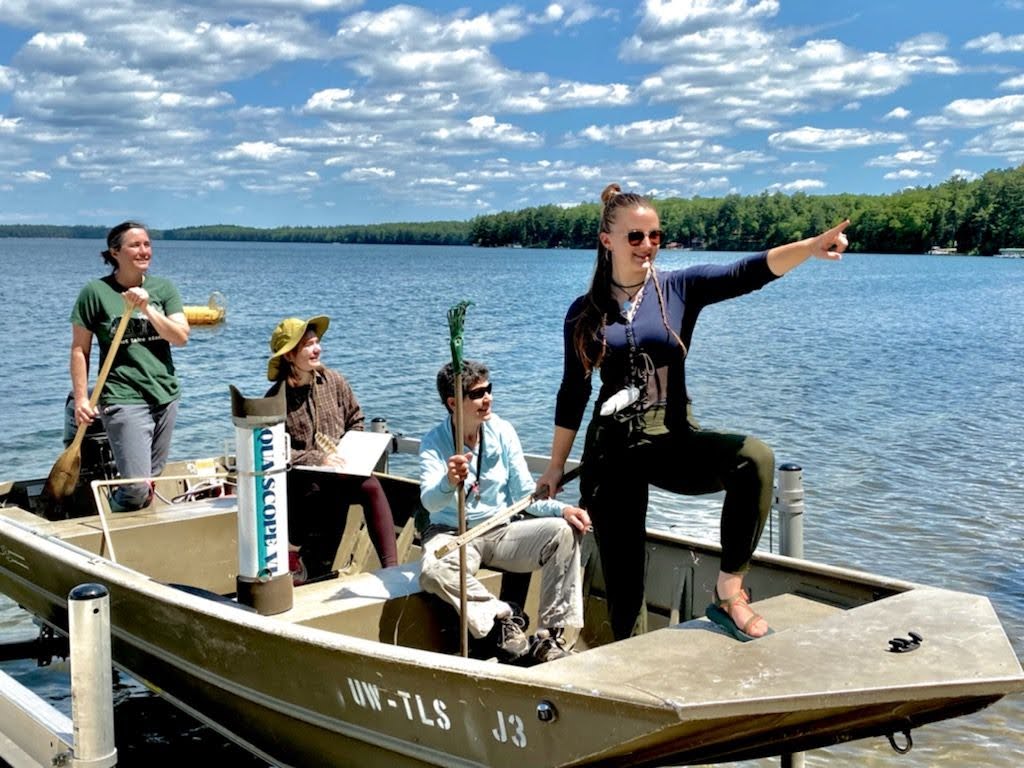
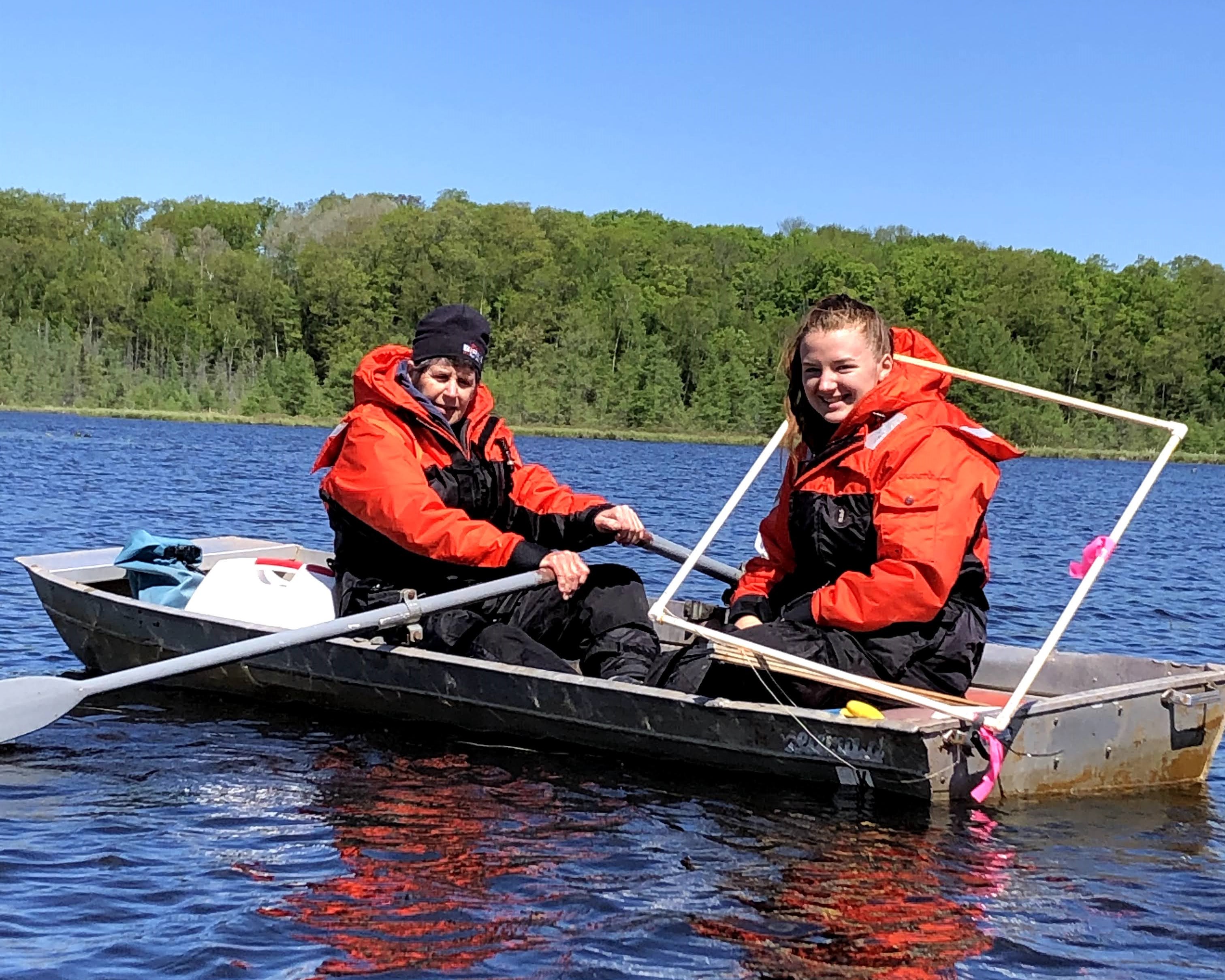
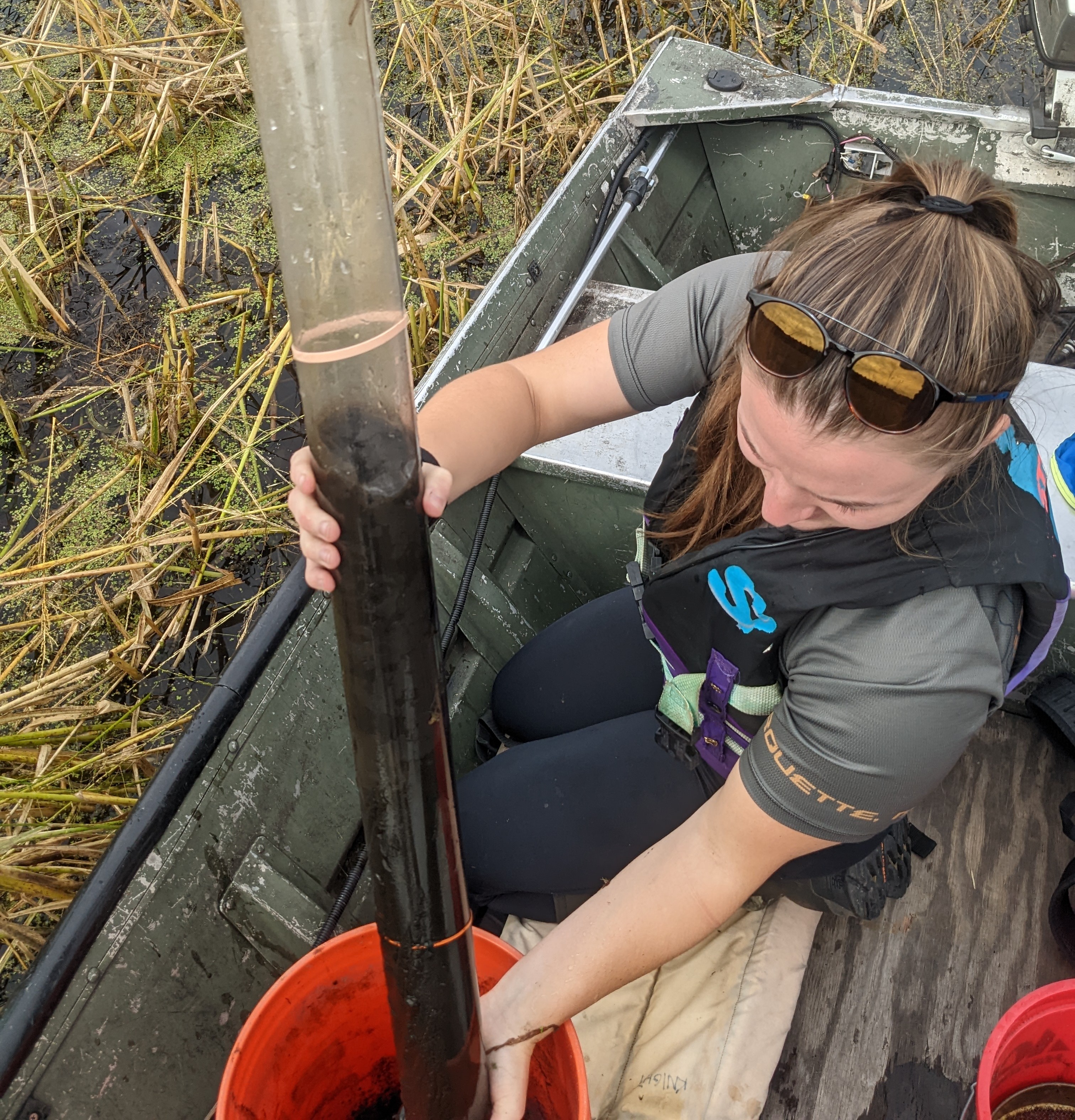
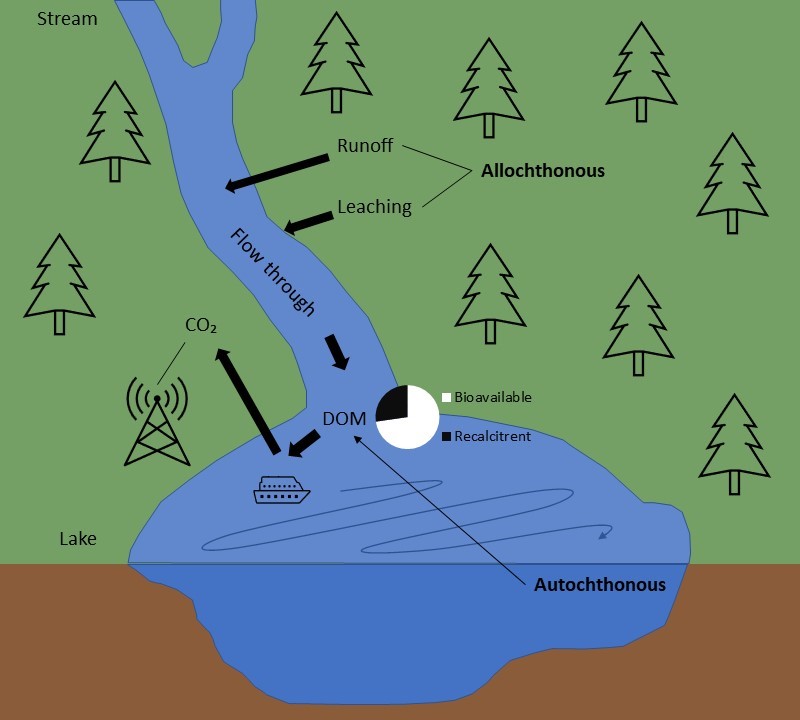
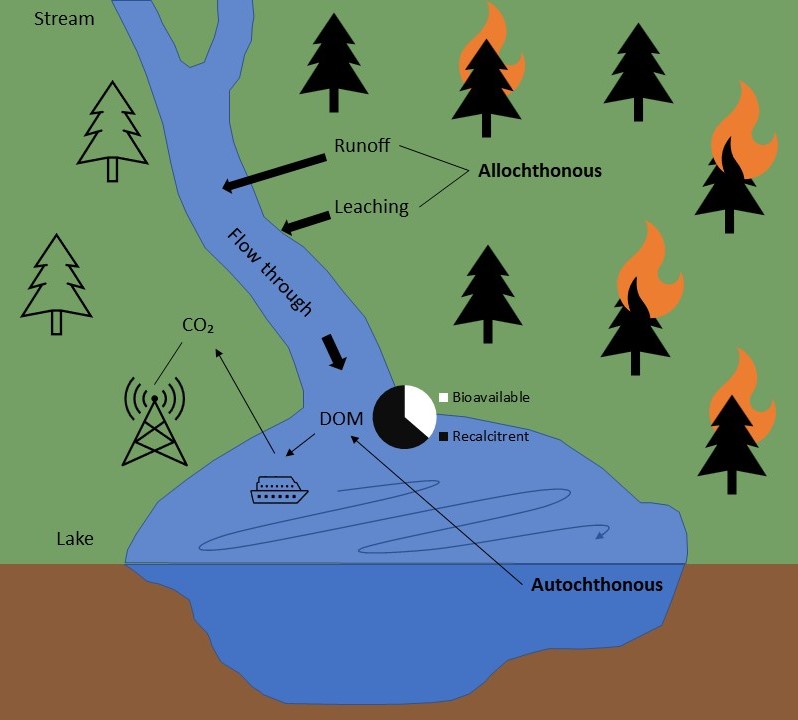
A year later after I had been accepted to NMU, I was backpacking on Isle Royale and bumped into the NMU Freshman Fellowship program coordinator. She urged me to apply to get a chance to do a research project with a professor early on in my time at NMU. I didn’t know it at the time but this opportunity was what initially motivated me to involve research in my career. I’ve always wanted seasonal employment in my felavent fields, so I’ve dabbled around working on an organic farm and as a drone pilot ground truthing stream crossings. The lockdowns during the pandemic limited the hiring situation forcing me to look elsewhere rather than returning to be a drone pilot. After going down a rabbit hole of seasonal positions I found a research assistant position through the UW Madison Center for Limnology Trout Lake field station. For a more in depth summary of my experience working as a wild rice phenology research assistant check the next tab. In between the school year off from the field season, I started an internship with the nature conservancy working in one of their departments mapping and coding (see TNC tab). Naturally, I felt that the next step in my career path was to start a masters program. It came down to quite a bit of finagling and a debate between two GRA offers. Finally, I chose to work with Dr. Andrew Tanentzap and Dr. Erik Emilson at Trent University. I go more in depth on this in the Aquatic Carbon Flux tab.
Currently, my goals are to succeed in my M.Sc. program, learn more about mapping rasters in QGIS, and python.